


How Conveyor Systems Transform Food Production Efficiency and Hygiene Standards

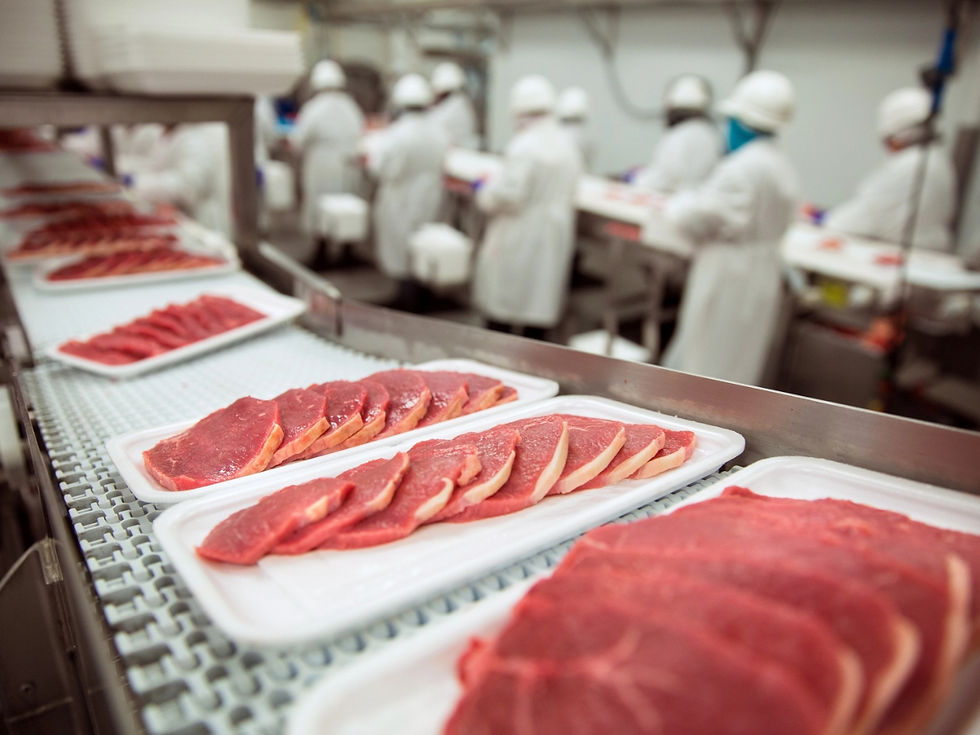
In modern food factories, efficiency and hygiene standards are now inseparable. Conveyor systems sit at the heart of this shift, moving products smoothly from raw intake to final packing while supporting strict food safety and audit requirements.
This article looks at how well‑designed conveyor systems can transform food production, raising throughput and consistency while making hygiene compliance easier and more robust.

The Pressure On Today’s Food Producers
Food and drink manufacturers face growing demand, tight margins and intense scrutiny from retailers and regulators. Lines are expected to run faster, longer and more consistently, without compromising product safety.
Traditional manual handling and ageing equipment struggle in this environment. Forklifts, pallet trucks and ad‑hoc product transfers introduce bottlenecks, safety risks and more opportunities for contamination.
You see this particularly clearly on legacy lines that have grown organically over time, with a patchwork of older conveyors and manual interventions between key processes.
The Limitations Of Manual And Legacy Handling
Before conveyors became standard, many plants relied heavily on people and basic mechanical handling to move product between stages. Even now, some factories still depend on a mix of manual lifts, tubs and non‑food‑grade conveyors.
This creates several issues:
Inconsistent product flow, with stop–start movement and queues between processes.
Higher risk of damage and waste due to repeated manual transfers.
More human touchpoints increase the chance of contamination.
Difficult‑to‑clean equipment with crevices where debris and bacteria can collect.
Longer cleaning windows and more unplanned downtime.
Modern food‑grade conveyor systems should be designed specifically to remove these bottlenecks while supporting your hygiene regime.

How Conveyors Transform Line Efficiency
Continuous, Controlled Product Flow
Automated conveyors create a continuous, predictable flow of product from one process to the next. Instead of batches building up between machines, material moves at controlled speeds along a dedicated path.
This smoother flow helps to:
Reduce bottlenecks between critical equipment such as ovens, fryers, coolers and packers.
Maintain more stable throughput and improve overall equipment effectiveness.
If you are reviewing an existing line layout, a fresh [conveyor system design] is often the quickest way to stabilise flow and unlock extra capacity from equipment you already own.
Reduced Manual Handling And Labour Dependency
Conveyors take over repetitive transport and transfer tasks, so operators spend less time moving product and more time monitoring quality, changeovers and line performance.
By cutting manual lifts and carries, conveyors:
Lower the risk of handling injuries and associated downtime.
Reduce the number of people needed directly on the line, helping with labour shortages and rising wage costs.
For multi‑shift operations, this compounds quickly into significant cost and safety benefits over the life of the line.
Less Unplanned Downtime And Easier Maintenance
Food‑grade conveyor systems are engineered for reliability and maintainability. Robust frames, appropriate drive components and standardised modules reduce the likelihood of breakdowns.
Design features such as accessible drives, tensioners and bearings make inspection and servicing faster, shortening planned maintenance windows and helping lines restart quickly after interventions.
Working with a partner who understands both mechanical design and conveyor servicing and support ensures you put long‑term reliability at the centre of your project.

Hygienic Conveyor Design: Raising Food Safety Standards
Efficiency is only half of the story. For food producers, hygienic design is just as important.
Food-Grade Materials And Construction
Food conveyors use materials and finishes chosen for hygiene and wash‑down performance. Typical choices include stainless steel frames and supports, corrosion‑resistant components and food‑grade belt materials that tolerate regular cleaning.
Good hygienic design also means smooth, continuous welds, minimal crevices and sloped surfaces so water and debris cannot pool on the equipment.
Open, Easy-To-Clean Structures
High‑performing hygienic conveyors are designed so that cleaning teams can quickly see and reach all key areas. Open‑frame constructions, lift‑up tails, removable or lift‑off belts and tool‑less guards are now common on specialist food systems.
These features shorten cleaning cycles, support more thorough sanitation and make it easier to integrate conveyor cleaning into existing hygiene routines.
If you’re planning a project, it is worth reviewing specific hygienic conveyor solutions and agreeing on cleaning access requirements at the design stage, not after installation.
Minimising Contamination And Cross-Contact
By automating transfers between stages, conveyors reduce the number of times operators must physically handle the product, which directly lowers the risk of contamination.
Where allergen management or raw‑to‑cooked segregation is critical, carefully designed routes, guards and product guides help prevent cross‑contact between different product streams.
Supporting Compliance And Audits
Because hygienic conveyors are easier to inspect and clean, they help manufacturers meet retailer standards and regulatory expectations more consistently.
Clear access to belts, frames and supports also makes it simpler to evidence cleaning regimes during audits, contributing to stronger hygiene scores and customer confidence.
Key Conveyor Types Used In Food Production
Different applications call for different conveyor technologies. Typical systems found in food factories include:
Belt conveyors for unpacked or packaged products, running straight or on gentle inclines.
Modular plastic belt conveyors for curved routes, cooling, draining or applications with frequent wash‑down.
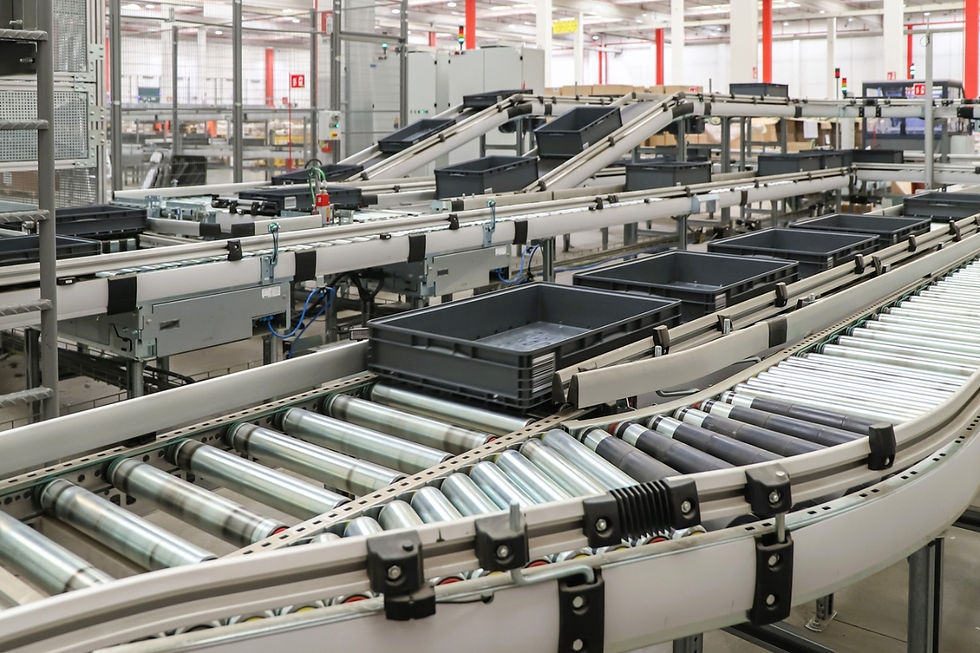
Roller and gravity conveyors for cases, trays and cartons in packing and dispatch areas.
Specialist designs such as spiral, vibratory or horizontal motion conveyors where gentle handling or space savings are required.
Choosing the right mix ensures each part of the line is matched to the products, environment and hygiene regime in that area.
Practical Design Considerations For Food Manufacturers
When specifying or upgrading conveyor systems in a food environment, several factors need to be considered from the outset.
Product and process characteristics – Temperature, moisture, stickiness, size and fragility all influence belt type, speed, guides and transfer design. Sticky or delicate products may require specific belt surfaces or motion profiles to avoid damage and build‑up.
Cleaning methods and chemicals – Whether you use foaming detergents, high‑pressure washing or CIP affects material choice and how open the structure needs to be for drainage and access.
Space and integration – Conveyors must integrate with existing process equipment, metal detectors, X‑ray machines and weighers, often in constrained spaces where elevation changes are needed.
Future capacity and product changes – Building in flexibility for extra throughput, added shifts, or new formats reduces the risk of expensive rework later.
A specialist conveyor system design and integration partner can help you balance these factors and model different layouts before you commit to fabrication.
A Typical Improvement Scenario
Consider a chilled ready‑meal producer running multiple SKUs through a legacy line with mixed manual handling and older conveyors. Product builds up between cooking, cooling and packing, operators manually reposition trays and cleaning around enclosed frames adds hours to the end‑of‑shift routine.
By replacing this with an integrated, hygienic conveyor system – including stainless steel belt conveyors through processing, modular belt for curves and elevation changes, and roller conveyors at end‑of‑line – the factory can achieve smoother flow, fewer manual interventions and faster, more effective cleaning. The result is higher throughput, reduced labour per shift and stronger hygiene performance during retailer audits.
A project like this typically starts with a site survey, followed by a proposed bespoke conveyor solution that maps new conveyors to existing equipment and hygiene processes.
How Central Conveyors Can Help
Central Conveyors designs and builds bespoke conveyor systems for demanding environments, including food and drink production. The focus is on combining robust, efficient material handling with hygienic design that stands up to real‑world wash‑down and audit requirements.
From initial site surveys and layout concepts through to manufacture, installation and ongoing support, Central Conveyors works with production and engineering teams to specify conveyors that match products, processes and hygiene regimes – not just today’s requirements, but future plans as well.
If you are looking to improve line efficiency, reduce manual handling and raise hygiene standards in your food factory, get in touch to discuss a tailored conveyor system for food production designed around your site. You can contact the team via the Central Conveyors contact page or call to arrange a site visit.

Comments