


5 Signs Your Conveyor System Needs Upgrading or Replacement

A conveyor system rarely fails without warning. In most cases, the signs build up gradually: more stoppages, rising repair bills, slower throughput, and growing frustration on the shop floor.
If those issues are starting to affect output, safety, or maintenance planning, it may be time to look at whether your current system still suits your operation. For some businesses, a targeted upgrade is enough. For others, a full replacement is the more cost-effective long-term decision.
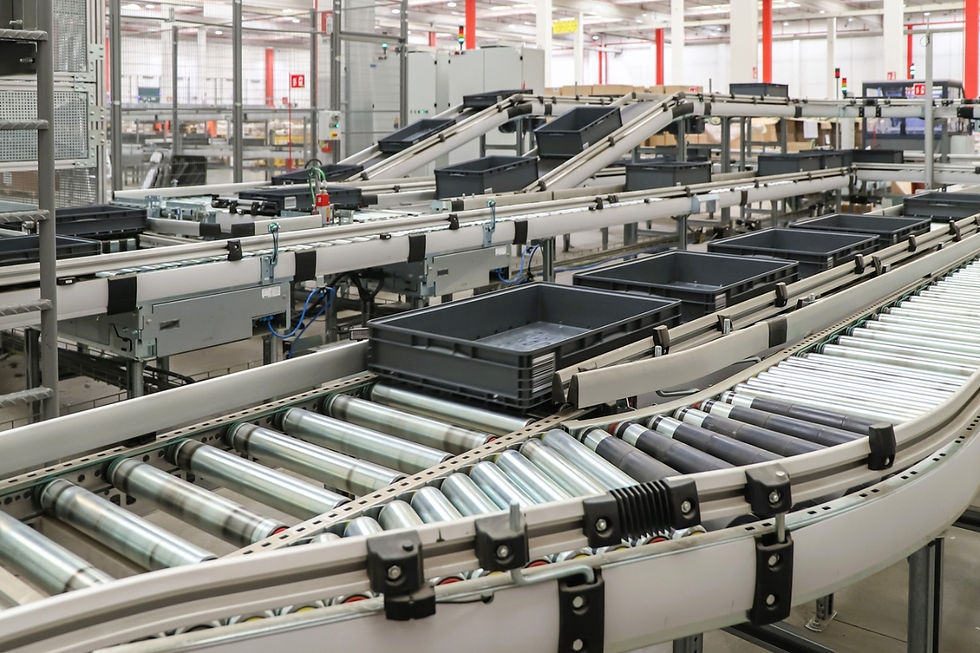
1. Breakdowns and Downtime are Becoming More Frequent
Occasional maintenance is normal, but recurring faults usually indicate that a conveyor is no longer performing reliably under current demand. When unplanned stoppages become more common, they can disrupt labour planning, delay production, and create knock-on issues across the wider process.
This is especially important if your conveyor has become a single point of failure in the operation. If engineers are repeatedly called out to deal with the same issues, it is worth reviewing whether continued repairs are the best use of time and budget.
2. Maintenance Costs Keep Rising
One of the clearest signs that a conveyor system is nearing the end of its useful life is when the cost of keeping it running starts to climb year after year. Replacing belts, rollers, bearings, motors, or controls too often can turn an ageing asset into an ongoing drain on maintenance resources.
There comes a point where patching an old system is less economical than investing in an upgrade or replacement that improves reliability and reduces unplanned spend. A useful rule of thumb is that if repair and maintenance costs reach a significant proportion of the cost of a new system, replacement is often the more cost-effective route over the medium term.
3. Throughput and Efficiency No Longer Match Your Operation
Many conveyor systems were designed for an earlier stage of a company’s growth. If your production volumes, product mix, shift patterns, or handling requirements have changed, an older system may now be limiting efficiency even if it still technically works.
Common warning signs include bottlenecks, manual intervention to keep product moving, inconsistent flow, and poor integration with surrounding processes. Modern conveyor solutions are often designed with modularity, scalability, and automation in mind, making it easier to support higher volumes and changing operational demands. You can read more about the different types of conveyor systems Central Conveyors designs and manufactures.
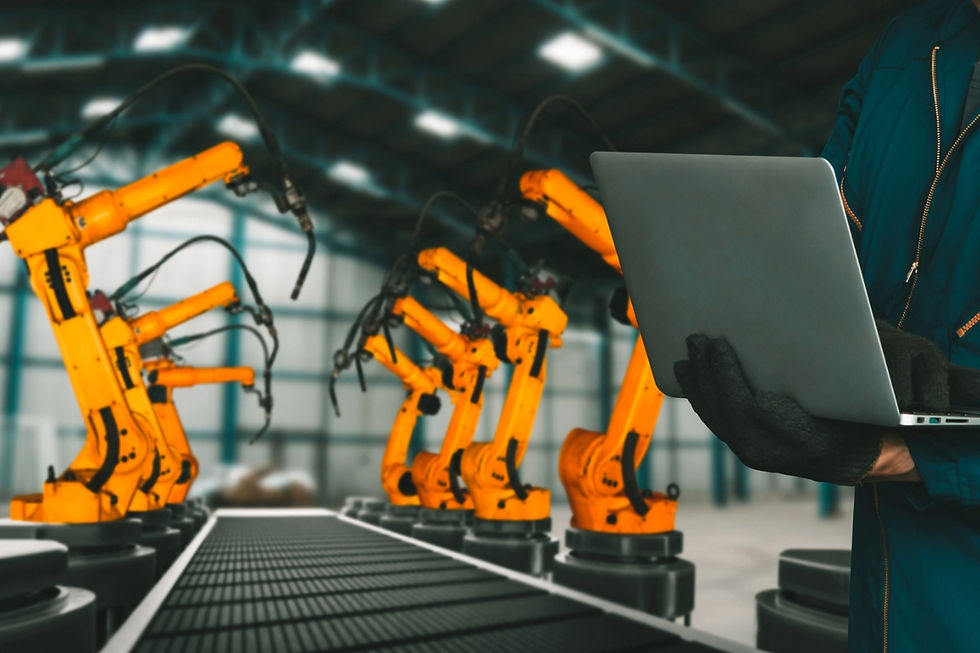
4. Safety Issues or Compliance Concerns are Increasing
An older conveyor system can introduce risks that go beyond performance. Repeated jams, worn components, exposed nip points, unreliable emergency stops, or poor guarding can all increase the chance of incidents and create avoidable pressure on site teams.
If your system no longer aligns with current safety expectations or operational standards, that should not be treated as a minor maintenance issue. Upgrading or replacing equipment can help improve guarding, controls, ergonomics, and overall confidence in day-to-day use.
5. Your System Cannot Support Automation or Future Expansion
A conveyor that meets today’s minimum requirement may still be the wrong fit if it cannot adapt to where the business is heading next. As more manufacturers and logistics operations seek greater efficiency, traceability, and consistency, conveyor systems increasingly need to work alongside broader automation strategies.
If your existing setup is difficult to modify, scale, or integrate with newer technologies, replacement may deliver more value than repeated retrofits. Central Conveyors highlights modular, application-specific solutions and in-house engineering support, which is exactly the kind of approach businesses need when planning for future growth rather than short-term fixes.

Should you Upgrade or Replace?
An upgrade may be the right choice if the system's core structure remains sound and the issue concerns controls, guarding, specific components, or process optimisation. Replacement tends to make more sense when the conveyor is fundamentally undersized, unreliable, inefficient, or no longer suitable for the site's demands.
The best decision usually comes from looking at the full picture: downtime frequency, maintenance spend, production impact, safety requirements, and future plans. A conveyor system should support the business, not hold it back.
Talk to Central Conveyors
If your conveyor system is showing signs of wear, inefficiency, or repeated downtime, Central Conveyors can help you assess whether an upgrade or full replacement is the better option for your operation. Contact Central Conveyors on 01509 816064 or email sales@central-conveyors.co.uk, or get in touch via our contact page to discuss a solution tailored to your process and production goals.


Comments